How to Become a Stronger Candidate For Your Dream Job in 2020

how to land dream job 2020.jpg

2020 has thrown us some curveballs and for one reason or another many of us are now tasked with finding a new job, and possibly a whole new career. In this post I cover the step-by-step process for making sure you are going after the right kind of job and then making you the best candidate for the role.

This blog post covers:

  • Evaluating you skill-job fit

  • Refreshing your LinkedIn

  • Getting a professional resume (for $0)

  • Starting a job application tracker

  • Building an interview prep research list

  • Preparing interview questions

Evaluate Your Skill-Job Fit

Research job posting for your dream job (or at least the dream job you are applying for right now). Make a running list of the required skills and experience. Do you possess those skills and experiences? The job market is evolving at an ever-increasing rate, so the job title you might have applied for two years ago, could be called something completely different now. The required skills (hi, ‘remote work!’) may have changed as well.

Next, look up people with the your desired job on LinkedIn and see what skills, accomplishments and experience they have on their profile. Sometimes there are gaps between what a hiring manager thinks they need and what it actually takes to do the job. Capitalize on identifying that difference and use it to your advantage.

Now that you have a solid list of attributes, which ones do you have? Are they clearly identified on your resume and LinkedIn profile? Also ask yourself if you are applying for the right job for your current skills and adjust your search accordingly.

No LinkedIn profile or resume? No problem, keep reading.

Refresh Your LinkedIn Profile

LinkedIn is usually the first thing that comes up when someone Googles you, so while job hunting, you want to make sure it’s up-to-date and tailored to the type of job you are after. Even if you haven’t logged into LinkedIn since 2008 you can get your profile refreshed in under an hour. Download this free LinkedIn Profile Checklist to get started.

Bonus: once or twice a week share an article you find interesting, helpful or insightful in your target industry. Add a line or two of your thoughts (and a hashtag or two if you are comfortable using those on LinkedIn).

Get a Professional Resume (for $0)

In a pinch a Word document resume will do, but if you want to stand out and make your application look that much more professional, use a Canva resume template. Canva is completely free to use (they do have a paid tier, but also plenty of free resume templates). Take a look here. Remember to use a template that is industry-appropriate and when in doubt, minimal is always better.

Start a Job Application Tracker

What isn’t measured, isn’t managed. If you are going to start on a job application campaign, or even if you are just casually applying for jobs it helps to keep track of where you have applied, when and the outcome. You can also use a tracker to list any warm introductions that your network can make for you. And trackers don’t need to be fancy! A table in Google Sheets or Excel is all you need.

Interview Prep Research List

Prior to each interview you will need to research the company and the hiring manager. This is critical in demonstrating that you are prepared and are interested in the company you could be working for. While each company is different, there’s a common set of questions you can research for every job and company. Compile your own list or use the one below as a starting point:

  • What is the general history of the company? Are they new? Been around a while?

  • How is the company doing right now?

  • Why might they be hiring for the role?

  • What are the current challenges faced by the hiring company?

  • Is the company publicly traded or private? Does this impact the role?

  • What does the company say they value? Usually core values are listed somewhere online. These sometimes are very generic, but may give you insight to things like their stance on diversity.

Prepare Interview Questions

Write out and/or print a set of role-relevant questions to ask during your interview. Don’t forget to ask about soft-skill and company culture questions as well.

One bonus question that can help you stand out - ask: a year from now will you know the candidate you selected was the right one? This question has two effects: 1) it helps you stand out as this is not a typical interviewee question, and 2) it forces the interviewer to list all the desirable attributes and associate them with you - even though you’ve haven’t actually done any work for them yet.

Now you’re ready to start applying and interviewing. Some of the best places to start? LinkedIn job boards, Indeed, theMuse, WeWorkRemotely and Greenhouse.io. Happy hunting!


How stronger job candidate 2020.png

The Ultimate Digital Nomad Shoppable Guide 2019-2020

10 Products Every Digital Nomad Needs

Life on the go doesn’t have to mean roughing it. Stay classic and stylish with these essentials and look like a professional whether you’re in a conference room in New York or a cafe in Bali.

Here’s what every digital nomad should never leave home without!


Kuzy

Laptop Case

For most digital nomads, your laptop is your life blood. That little device allows you to make a living, stay connected with family and friends and stay entertained on long haul flights. Keep you electronic BFF safe with a classic case that goes with everything and won’t easily show scratches and scrapes.


Herschel Supply Co.

Backpack

Not your high school backpack. This modern construction, sleek and minimalist backpack is perfect for as a carry-on and something you could bring to a business meeting. It’s big enough to fit a laptop, plus all the essentials.


Beats

Headphones

Headphones are a must for any traveler these days. These ones are perfect for drowning out airplane noise, editing, listening to music and taking conference calls in crowded places. Not a fan of over-ear headphones? Try the earbud version instead.


Rebecca Minkoff

Carry-On Roller Bag

Pack the absolute most into your roller bag with one like this. The hard shell makes it durable and the wheels can make it over most terrain. The inside pockets provide enough compartments to stash smaller items so they don’t get lost.


Samsill Corporation

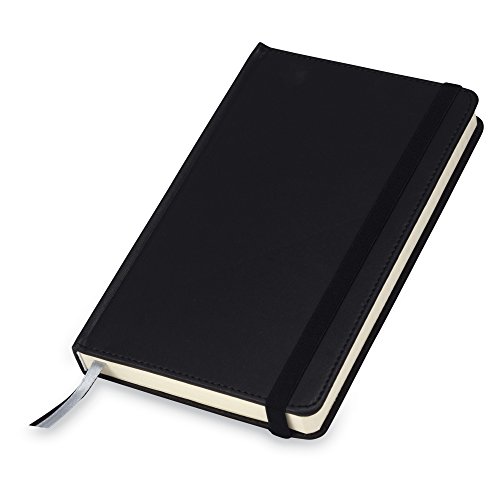
Notebook

Even if your business is entirely digital, it’s still nice to keep a notebook on-hand. This one has a water resistant cover and dot grid sheets making it so you can even use it as a bullet journal (and spill a cocktail on it - but try not to do that).


UV400 Sunglasses

Lightweight, durable and guaranteed to spark the question “where did you get those?!”. These sunnies work for guys and gals. The best part: futuristic vibes with 100% UV protection - because eye damage in the name of fashion is so not cool.


TIJN

Blue Light Computer Glasses

The eye damage doesn’t stop when you go indoors. Blue light blocking glasses are essential for anyone (read: everyone) who spends their day staring at a screen to decrease eye strain. Blue light blocking glasses are also crucial for anyone susceptible to macular degeneration. Hour 10 of video editing, here we come…


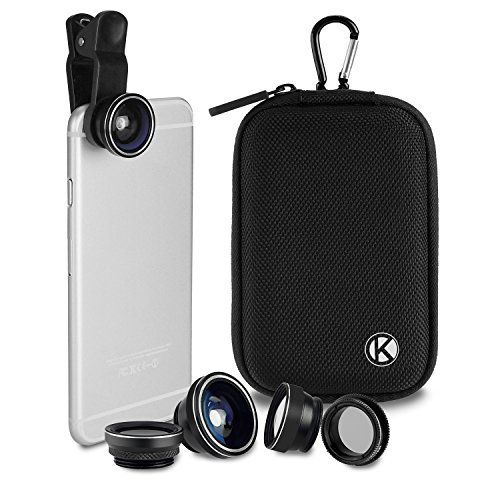
CAMKIX

Universal Smartphone Camera Lens Kit

Odds are that if you’re living the digital nomad life, you’re probably documenting and sharing every step of the journey. If any extra bag of camera gear is not your thing a detachable lens for your phone might be. CamKix makes a universal lens kit so you don’t have to worry about upgrading when you upgrade your phone.

SightPro

Laptop Privacy Screen

It’s not the sexiest gift on the list, but it’s probably the most underrated and over appreciated. A privacy screen decreases glare so you can actually see your screen while on a beach or outdoor cafe AND prevents looky-looers from seeing that confidential client email. SightPro makes magnetic screens for pretty much all laptops (not just for Mac users).


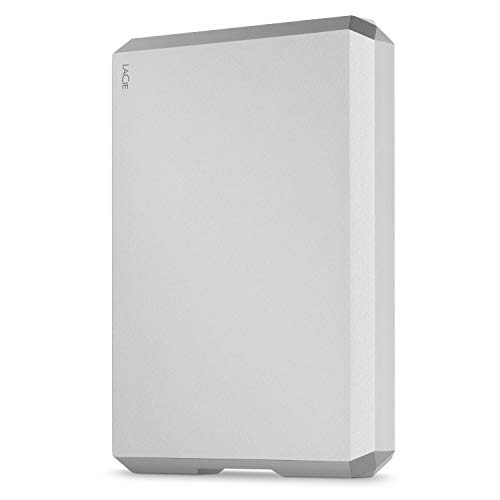
Lacie

Portable 5TB Hard Drive

Even in a world of cloud storage, you’ll be hard pressed to find a digital nomad that will turn down an external drive. With a LaCie you really can’t go wrong, especially with 5TB for only $149. Five hours of drone footage? No problem.


Have requests for next year’s list? Let me know on Twitter or Instagram.

Some links may be affiliates.

Startup Fundraising: Three Things to Think About Before You Open a Round

You have idea, you’ve found a co-founder and maybe even built a product and have some early customer traction. The next step? If you’re building a venture scale company, you probably want to open a Seed Round.

Raising you Seed Round of Funding

Raising you Seed Round of Funding

  1. Incorporation: In the United States, investors won’t even look at you unless you are a Delaware C Corp. Limited Liability Companies (LLCs) and other business entities are not as well set up to take on outside funding, so it’s often too much legal work for investors to carry.

    Many founders go with a LLC structure in the beginning because a C-Corp is “double taxed”, whereas an LLC only pays taxes once. HOWEVER, in reality because startups reinvest most if not all of their profits, they rarely actually get doubled taxed.

  2. The SEC (Securities and Exchange Commission) Fight Club Rule: The SEC passed a rule in 2015 called Rule 506(c) which prohibits companies from “General Solicitation”. This means that companies are not allowed to advertise or publicly disseminate information about the round (or anything that involves exchanging money for equity). This includes: how much money you are raising, your valuation, what you would do with the money, burn rate or runway.

    A lot of startups and publications are unaware of this rule and can get in trouble with the SEC, which as a cash strapped startup, in the last thing you need. So who can you talk to? According to the SEC, only accredited and sophisticated investors. Generally, anyone at a VC firm and accredited angel investors. A person will know if they are accredited or not and don’t be afraid to ask. In closing: the second rule of fundraising: you don’t talk about fundraising.

  3. The Checklist: Despite not being able to publicly talk about your raise amount, valuation and burn rate, milestones, and runway, these are things that you will need to know when you do land a meeting or call with an investor. For Seed Rounds, investors typically like to see a raise amount that will give you 18 months or more of runway.

    When calculating your pre-money valuation, keep in mind that you don’t want to give away more than 25%-30% of your company in your first raise. For example, if you are asking for $1M and your pre-money valuation is $3M, once you raise $1M you would have given up 25% of your company ($1M / [$1M + $3M] = 25%). Your burn rate and runway is completely dependent on what city you are in (overhead) and how much you need to pay yourselves and your staff to remain competitive.

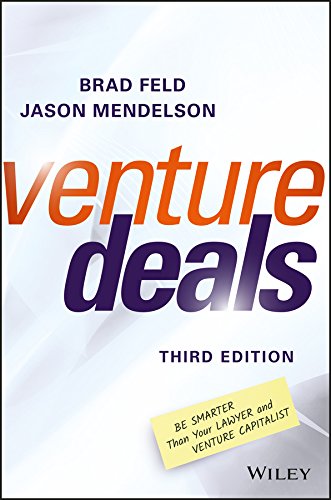
This is far from a complete list, it’s merely the top three things I wished I’d known when we started getting into venture capital. If you want to know more gritty details, check out Venture Deals by Brad Feld:

and these other books on building a startup.